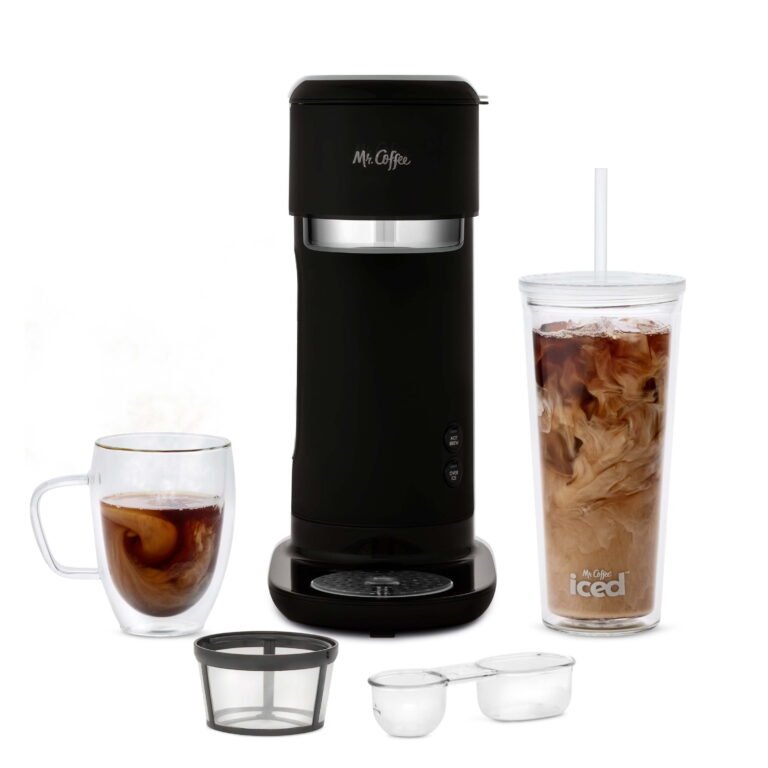
Cleaning your Cuisinart coffee maker’s K-Cup side is essential. It keeps your machine running smoothly and your coffee tasting fresh.
Let’s face it, a morning without a perfect cup of coffee can throw off your entire day. Regular maintenance of your coffee maker is key to ensuring that every brew is as delicious as the last. Your Cuisinart coffee maker works hard to fuel your day with that essential cup of joe.
Over time, coffee oils and mineral buildup can affect your machine’s performance and the taste of your coffee. A clean coffee maker is important for a good cup. Knowing how to clean the K-Cup side of your Cuisinart coffee maker will extend its life and ensure your coffee remains flavorful. In the next few paragraphs, we’ll go through the steps you need to follow for a clean and efficient coffee maker. This guide makes it easy, so you can enjoy that perfect cup every time.
Introduction To Cuisinart Coffee Maker Maintenance
Cleaning your Cuisinart Coffee Maker K-Cup Side is essential. It ensures your machine runs smoothly and your coffee tastes fresh. Over time, coffee makers can accumulate mineral deposits and coffee residue. This can affect the taste of your coffee and the performance of your machine. Regular maintenance is key to longevity and a superior coffee experience.
Importance Of Regular Cleaning
A clean coffee maker is crucial for several reasons. It prevents mold and bacteria buildup. It also ensures optimal brewing temperature and extends the life of your appliance.
Benefits Of A Clean Coffee Maker
- Enhanced Flavor: Residue-free brewing means pure-tasting coffee.
- Consistent Performance: Clean components work best, providing reliability.
- Energy Efficiency: A well-maintained machine uses less power.
- Health Safety: Regular cleaning eliminates harmful contaminants.
Identifying Your Cuisinart Model
Before cleaning your Cuisinart Coffee Maker K-Cup side, know your model. This step is crucial. It ensures you follow the right cleaning process. Different models may need different care.
Types Of Cuisinart K-cup Coffee Makers
Cuisinart offers several K-Cup coffee makers. Each has unique features. Some are compact for small spaces. Others have larger water reservoirs for frequent use. Know your needs. Pick the model that fits.
Locating The Model Number
The model number is key. It tells you exactly what coffee maker you have. You can find it on the bottom or back of the machine. Sometimes, it’s under the water reservoir. Look closely. Use this number to find the right cleaning instructions.
Gathering Essential Cleaning Supplies
Cleaning your Cuisinart Coffee Maker K-Cup Side requires simple yet effective supplies. Begin by collecting the essentials. A good clean enhances performance and flavor. Let’s break down what you’ll need.
Common Household Items For Cleaning
- Vinegar – natural descaling agent
- Water – for rinsing and diluting vinegar
- Soft cloths – for wiping surfaces
- Sponge – for scrubbing
- Dish soap – for cleaning removable parts
These items work wonders in removing buildup and ensuring a deep clean.
Specialized Cleaning Solutions
- Descaling solution – for mineral deposits
- Cleaning tablets – for thorough sanitization
Specialized solutions target tough grime and extend your machine’s life.
Preliminary Cleaning Steps
Cleaning your Cuisinart Coffee Maker K-Cup side keeps your machine in top shape. Let’s start with the preliminary cleaning steps. These are simple but vital for the best results. Follow these steps to ensure your coffee tastes fresh every time.
Unplugging And Disassembling
Safety first. Always unplug your coffee maker before cleaning. This protects you and your machine. Next, take apart the removable parts. This includes the drip tray, K-Cup pod holder, and funnel. Disassembling makes cleaning easier and more thorough.
Rinsing Removable Parts
Now, rinse each part under warm water. Use no soap yet. Just water will do for now. Make sure to wash away all coffee grounds and residue. This step preps the parts for deeper cleaning later on.
Deep Cleaning The K-cup Side
Keeping your Cuisinart Coffee Maker K-Cup side clean ensures fresh, delicious coffee every time. Deep cleaning is vital. It removes old coffee oils and grounds that can spoil your coffee’s taste. Let’s dive into how to deep clean the K-Cup side of your coffee maker.
Cleaning The Needle
First, unplug the coffee maker. Safety first. Next, locate the needle. It’s where the coffee comes out. Use a paperclip to clear any coffee grounds from the needle. Be gentle. You don’t want to damage it. Finally, rinse the needle area with warm water. Use a soft cloth to dry it.
Washing The K-cup Holder
Removing the K-Cup holder is easy. Just grab it and gently pull it out. Wash it with warm, soapy water. A soft brush can help remove coffee grounds. Rinse it well. Make sure it’s dry before putting it back.
- Unplug the coffee maker.
- Remove the K-Cup holder.
- Wash with soapy water.
- Rinse and dry.
Deep cleaning the K-Cup side of your Cuisinart Coffee Maker keeps your coffee tasting great. It also extends the life of your coffee maker. Regular cleaning is key. Enjoy your coffee!

Descaling The Coffee Maker
Over time, minerals build up in your coffee maker. This can affect how it works and the taste of your coffee. Descaling removes these minerals. It keeps your Cuisinart Coffee Maker K-Cup Side running well and your coffee tasting its best.
Choosing A Descaling Solution
There are many descaling solutions. You can use a brand one or make one at home. White vinegar is a common choice. It’s cheap and non-toxic. Some prefer a commercial descaler for a deeper clean. Pick one that fits your needs.
Step-by-step Descaling Process
First, empty the coffee maker. Remove any K-Cups or grounds. Fill the reservoir with your descaling solution. If using vinegar, mix it with equal parts water. Then, start a brew cycle. Make sure you don’t have a cup under the spout.
After the cycle, let the coffee maker sit for an hour. This lets the solution do its job. After an hour, finish the cycle. Rinse the machine by running fresh water through a few cycles. This removes any leftover solution. Now, your coffee maker is clean and ready to use.
Reassembling After Cleaning
Cleaning your Cuisinart Coffee Maker’s K-Cup side is just half the battle. Now comes the important task of putting it all back together. Proper reassembly ensures your coffee maker runs smoothly and continues to produce your favorite beverages without a hitch. Follow these simple steps to make sure every part is back in its place, ready for your next cup.
Ensuring All Components Are Dry
Before reassembling, make sure each part is completely dry. Water spots or leftover moisture can affect the taste of your coffee. It can also lead to mold or mineral buildup. Use a soft, clean towel to gently pat each component. Give them time to air dry. Place them on a dish rack or a dry towel.
Properly Fitting Parts Together
Every piece needs to fit just right. Start with the K-Cup holder. Slide it in until you hear a click. Next, align the drip tray at the base. It should snap into place effortlessly. The water reservoir requires attention. Check the seal, then press it firmly back. Ensure the lid closes without force. A snug fit means no leaks and better brewing. With everything in place, your Cuisinart is ready to go. Time to enjoy a fresh, delicious cup of coffee.

Maintaining Your Coffee Maker
Maintaining your Cuisinart Coffee Maker with a K-Cup side is key to great coffee. A clean coffee maker means tasty coffee. Let’s talk about keeping it in top shape.
Regular Cleaning Schedule
Set a routine to clean your coffee maker. This keeps it running well. Clean after each use. Deep clean once a month.
- After each use: Rinse removable parts with water.
- Once a week: Wash parts with soapy water. Rinse well.
- Monthly deep clean: Use vinegar and water mix. Run this through your coffee maker. Then, run clean water through it three times.
When To Replace Parts
Some parts need replacing over time. Know when to get new ones.
| Part | Replace Every |
|---|---|
| Water Filter | 2 months |
| K-Cup Holder | 3-6 months |
| Charcoal Filter | 2 months |
Check your coffee maker’s manual for specific part info. Not all models are the same.
Troubleshooting Common Issues
Cleaning your Cuisinart Coffee Maker K-Cup Side is essential for great coffee. Over time, issues may arise. Knowing how to troubleshoot can save your morning brew. Let’s tackle some common problems.
When The Coffee Maker Won’t Brew
Is your coffee maker silent? First, check it’s plugged in. Next, ensure the water reservoir is filled. Sometimes, a simple reset does the trick. Turn it off, wait a minute, then turn it back on. Check for clogs too. Use a paperclip to clear the needle that pierces the K-Cup. Still not working? It may need descaling. Use a descaling solution and run a brewing cycle without a K-Cup.
Dealing With Strange Tastes Or Smells
Bad taste or odor? It’s likely buildup. Start by emptying the coffee maker. Fill the reservoir with equal parts water and vinegar. Run a brewing cycle. Then, run a few cycles with just water to rinse. Change the water filter too. It can trap odors and affect taste. Clean removable parts with warm, soapy water. Dry them well before reassembling. Your coffee should taste fresh again.
Conclusion: Enjoying Fresh Coffee Again
With a freshly cleaned Cuisinart Coffee Maker K-Cup side, the joy of sipping a perfect cup of coffee is just moments away. A thorough cleaning ensures every brew is as fresh and flavorful as the first.
The Rewards Of A Clean Coffee Maker
A regular cleaning routine for your Cuisinart Coffee Maker does wonders:
- Improved taste: Coffee oils and residues can spoil flavor. A clean machine keeps your coffee tasting its best.
- Longer lifespan: Regular maintenance prevents wear and extends your machine’s life.
- Health benefits: Mold and bacteria have no place in your cup. Cleaning keeps them out.
Tips For Consistent Coffee Quality
For the best coffee every day, follow these tips:
- Use fresh, cold water for each brew.
- Clean after every use to prevent buildup.
- Descaling monthly keeps your machine running smooth.
- Replace water filters as recommended.
- Store K-Cups in a cool, dry place.
Simple steps lead to great coffee. Clean your Cuisinart Coffee Maker today and enjoy the difference.

Frequently Asked Questions
What Is The Best Way To Clean A Cuisinart K-cup Coffee Maker?
The best way to clean a Cuisinart K-Cup coffee maker is by using a mixture of vinegar and water. Run this solution through the brewing cycle to descale and remove any mineral buildup. Finish with a few cycles of plain water to rinse.
How Often Should I Clean My Cuisinart K-cup Machine?
Clean your Cuisinart K-Cup machine every 3 to 6 months for descaling. However, for optimal performance, clean the exterior and removable parts with soap and water after each use.
Can I Use Vinegar To Descale My Cuisinart Coffee Maker?
Yes, white vinegar is an effective descaling agent for Cuisinart coffee makers. Fill the reservoir with a solution of equal parts water and vinegar, and run a brewing cycle to clean the internal components.
Are There Any Cuisinart-specific Cleaning Products For K-cup Machines?
Cuisinart offers cleaning products such as descaling solution and cleaning tablets. These are formulated specifically for Cuisinart machines, but common household items like vinegar can also be effective.
Conclusion
Maintaining your Cuisinart Coffee Maker’s K-Cup side is simple. Regular cleaning ensures great-tasting coffee every time. Just follow these easy steps for a spotless machine. Use vinegar and water for descaling. Remember to rinse thoroughly. Keep up with daily cleans to avoid buildup.
Your coffee maker will thank you with each fresh brew. Embrace these habits for a clean machine and delightful coffee moments. Happy brewing!