Keeping your coffee maker clean ensures a great-tasting brew every time. But what if vinegar’s sharp smell is a no-go for you?
There’s good news! You can still get a spotless coffee maker without reaching for the vinegar bottle. Imagine sipping on coffee that’s as fresh as the day you first used your machine. This isn’t a distant dream—it’s what happens when you keep your coffee maker in pristine condition.
And you don’t need vinegar to do it. Many coffee lovers don’t know the simple tricks to maintain their machines without that tangy cleaner. This post will guide you through alternative methods that are just as effective. These tips are easy, quick, and use items you likely have at home. Say goodbye to the sour scent of vinegar in your morning cup. Let’s learn how to freshen up your coffee maker with ease and keep your java tasting its best.
Introduction To Alternative Cleaning Methods
Cleaning your coffee maker is key to great tasting brews. Over time, mineral buildup and residue can affect flavor. Many turn to vinegar for a deep clean, but it’s not the only way. Let’s explore other methods to keep your coffee maker in top shape, without the strong smell of vinegar.
The Importance Of Regular Cleaning
Think of a coffee maker as a chef’s pot. Just as a pot needs scrubbing, so does your coffee machine. Regular cleaning removes old grounds and oils. This keeps your coffee tasting fresh. It also extends the life of your machine.
Why Some People Avoid Vinegar
Vinegar is a common cleaning agent, but not everyone likes it. The smell can linger and affect your next brew. Some are sensitive to the strong scent. Others may just prefer different cleaning solutions. Good news is, there are plenty of options.

The Baking Soda Solution
Let’s talk about cleaning your coffee maker with baking soda. This method is simple and effective. Baking soda, a common kitchen ingredient, can clean your machine well. It’s a great option if you don’t want to use vinegar.
Steps To Clean With Baking Soda
- First, mix one quarter cup of baking soda with water. Fill the coffee maker’s water chamber.
- Turn on the coffee maker. Let it run a full cycle. This mix cleans inside.
- After the cycle, throw away the cleaning mix. Your machine’s inside is now clean.
Rinsing And Repeating The Process
- Next, fill the chamber with fresh water. No baking soda this time.
- Run another cycle. This rinses the machine.
- Repeat rinsing if needed. Make sure no baking soda is left.
Cleaning with baking soda is easy. It leaves your coffee maker fresh and clean. Try it once a month for best results.
Lemon Juice: A Natural Option
Clean your coffee maker with lemon juice, it’s simple and effective. This natural acid breaks down build-up, much like vinegar. It’s a safe, eco-friendly cleaner with a fresh scent. Get a spotless machine and a tasty brew using lemons.
Mixing Ratios For Effective Cleaning
Combine one part lemon juice with one part water. Fill the coffee maker’s reservoir. Run a brew cycle, then a cycle with just water. This ensures a thorough clean.
Benefits Of Using Lemon Juice
Lemon juice is non-toxic and safe. It leaves no harmful residues. It’s a gentle option, perfect for sensitive skin. Enjoy its pleasant, natural aroma as you clean.
Hydrogen Peroxide For Deep Cleaning
Cleaning your coffee maker is vital for great-tasting brews. Hydrogen peroxide offers a deep clean without vinegar’s smell. It’s a safe, effective alternative. Discover how to harness its power below.
Creating A Safe Cleaning Mixture
Before starting, know that hydrogen peroxide is potent. Using a diluted solution is crucial for safety.
- Get 3% hydrogen peroxide.
- Mix it with water at a 1:2 ratio.
- Pour this mixture into the coffee maker’s reservoir.
Procedure For Cleaning With Hydrogen Peroxide
Follow these steps for a thorough clean:
- Ensure the coffee maker is off and cool.
- Empty any old grounds and coffee.
- Fill the reservoir with the hydrogen peroxide mixture.
- Run a brew cycle halfway, then pause for an hour.
- Resume the cycle and finish brewing.
- Rinse the machine by running two cycles with water.
Enjoy a clean, fresh coffee maker ready for your next cup!
Denture Tablets: An Unconventional Hack
Denture Tablets: An Unconventional Hack offers a simple way to clean your coffee maker. Many people don’t know about this method. It’s easy and effective.
How To Use Denture Tablets
- Fill the coffee maker’s water chamber with warm water.
- Add two to three denture tablets.
- Let them dissolve completely.
- Run the coffee maker through a brew cycle.
- Discard the cleaning solution.
- Rinse the chamber with fresh water.
- Run two more brew cycles with just water to rinse well.
Cautions When Using This Method
Be careful with this cleaning hack. Not all coffee makers are the same.
- Check the manual – Make sure denture tablets won’t harm your machine.
- Avoid direct contact – Denture tablets should not touch your skin.
- Rinse thoroughly – Ensure no cleaning residue remains.
Commercial Descaling Solutions
Coffee lovers know a fresh brew starts with a clean machine. Commercial descaling solutions offer an effective alternative to vinegar. These solutions remove mineral buildup and ensure your coffee tastes great.
Selecting A Commercial Cleaner
Choose a descaler that’s safe for your coffee maker. Look for non-toxic and eco-friendly options. Popular brands include Durgol, Urnex, and Full Circle. Check your coffee maker’s manual for recommendations.
Step-by-step Guide For Descaling
- Read the instructions on your descaling solution.
- Empty the coffee maker. Remove any coffee grounds or filters.
- Mix the descaling solution with water if required.
- Fill the water reservoir with the solution.
- Run a brewing cycle. Let the solution clean the machine.
- Wait for the cycle to complete.
- Rinse the machine. Run 1-2 cycles with clean water.
Regular descaling keeps your coffee maker in top condition. Your next cup of coffee will thank you for it!
Cleaning With Salt And Ice
Cleaning your coffee maker need not be a hassle. Enter the simple duo: salt and ice. This pair works wonders in scrubbing the insides of your coffee maker. This method is quick, effective, and uses items found in most kitchens.
The Technique For Abrasive Cleaning
Start by filling the coffee pot a quarter full with ice cubes. Next, pour in a cup of salt. The coarse grains act as a scrubber. Swirl the pot around. Let the ice cubes do the work. They slide and scrape off the gunk. Keep swirling for a minute or two. You’ll notice the buildup coming off. Rinse the pot thoroughly with water. Your coffee maker will look like new.
When To Use This Method
Use this cleaning hack for quick touch-ups. It’s perfect when time is short. Also, choose this method if you dislike the smell of vinegar. It’s gentle on your coffee maker too. Remember, deep cleaning is still important. But for a swift cleanse, salt and ice are your friends.
:max_bytes(150000):strip_icc()/6-coffee-maker-components-washed-separately-045ca3f7a9b14ec29aa07f32b3c9555f.jpg)
Maintaining A Clean Coffee Maker
Maintaining a clean coffee maker is key for great taste. It also keeps your machine running well. You don’t need vinegar for cleaning. There are simple steps to follow. Let’s dive into how to keep your coffee maker spotless.
Daily Maintenance Tips
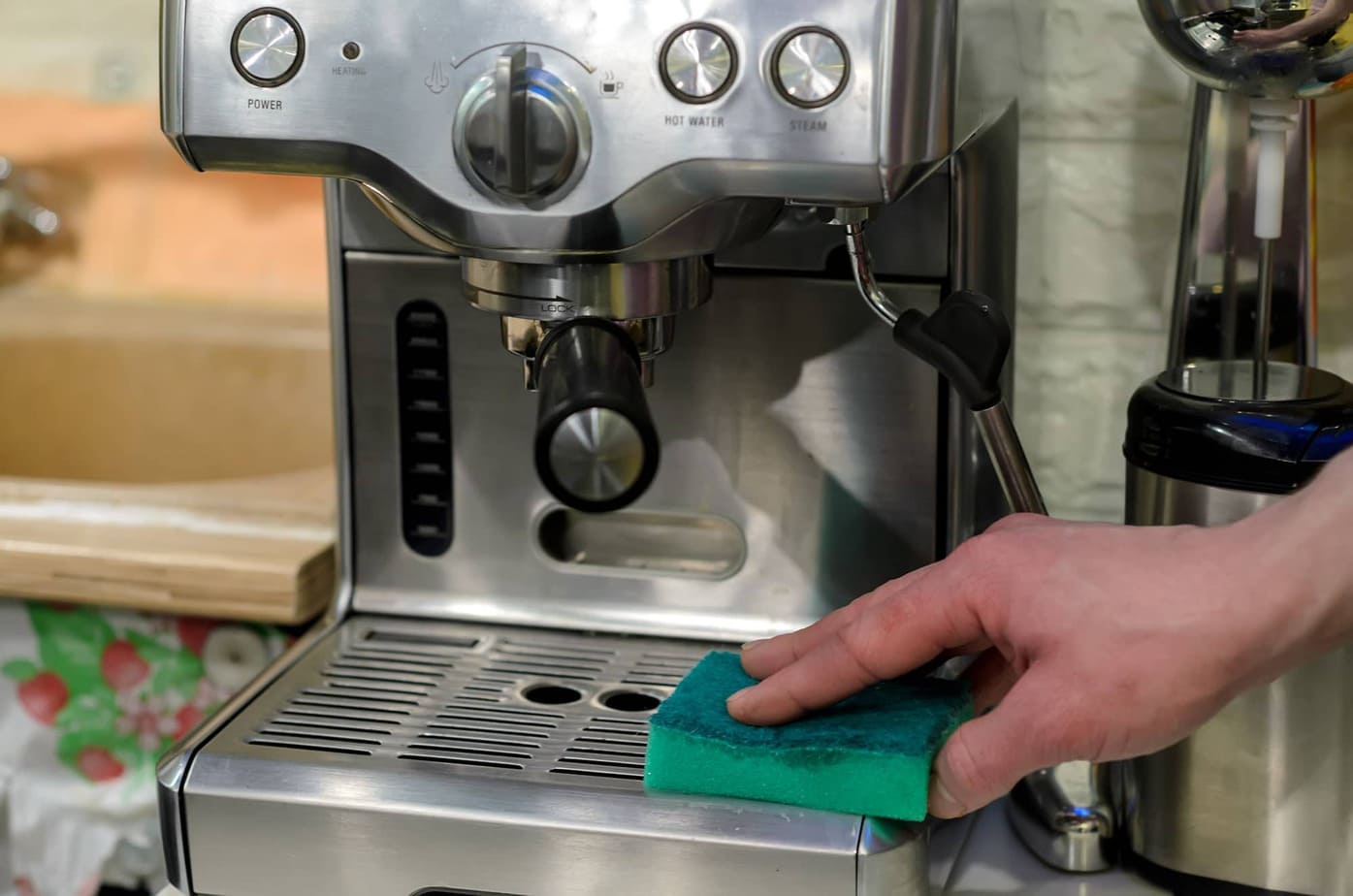
Clean after each use. Rinse the pot with warm water. Wipe the machine outside. Use a damp cloth. Empty and rinse the filter basket too. These steps prevent buildup. They keep your coffee tasting fresh.
The Benefits Of Regular Upkeep
Regular cleaning has many benefits. It extends your coffee maker’s life. It prevents mold and bacteria. Your coffee tastes better. Cleaning also saves time. You avoid long, deep cleans later. Simple, regular care makes a big difference.
Troubleshooting Common Issues
Discover the steps to clean a coffee maker with ease, avoiding vinegar. Learn alternative, simple methods to ensure your machine brews the best coffee.
Cleaning your coffee maker is crucial for great taste. Sometimes, vinegar isn’t an option. You might face issues like stubborn stains or lingering smells. This section offers solutions to these common problems.Dealing With Persistent Stains
Stains can be tough. They cling to your coffee maker’s insides, looking unsightly. But don’t worry. Baking soda is a hero for these moments. It’s gentle yet effective. Mix a quarter cup of baking soda with water. Fill the coffee maker’s water chamber. Run a brew cycle. Then, run a couple of water cycles. This will rinse away any leftovers. For extra tough stains, use a soft brush. Gently scrub the stained areas. Then, repeat the cleaning cycle.
What To Do If Odors Persist
Odors can linger even after cleaning. This can affect your coffee’s taste. To combat this, use lemon juice. It’s natural and leaves a fresh scent. Fill the water chamber with equal parts water and lemon juice. Run a brew cycle. Then, run two more cycles with just water. This will clear out any lemon taste. Your coffee maker should now smell clean. If odors still hang around, repeat the process. Or leave the lid open to air out overnight.
Conclusion: Best Practices
Cleaning your coffee maker is key to great taste. You don’t need vinegar for a clean machine. Simple household items can work. This guide wraps up with best practices for a spotless coffee maker.
Summarizing Effective Methods
Baking soda and lemon juice are great cleaners. They remove buildup and odors. Dish soap and water work well for daily cleaning. Remember to rinse well. Use these methods for a fresh coffee maker.
Encouraging Consistent Cleaning Habits
Clean your coffee maker often. Aim for a deep clean every month. Wipe it down after each use. This stops buildup and keeps coffee tasting good. Make cleaning a regular part of your routine.
Frequently Asked Questions
Can Lemon Juice Clean A Coffee Maker?
Yes, lemon juice is a natural acidic cleaner that can effectively clean your coffee maker. Mix equal parts of lemon juice and water, run it through a brewing cycle, then rinse thoroughly with water.
What Are Alternative Coffee Maker Cleaning Solutions?
Baking soda and water make a great alternative cleaning solution. A quarter cup of baking soda with water can clean the coffee machine. Run a cycle, then follow with a cycle of plain water to rinse.
How Often Should I Clean My Coffee Maker?
You should clean your coffee maker every month to maintain its performance and coffee flavor. Regular cleaning also prevents mold and bacteria buildup.
Can I Use Dish Soap To Clean My Coffee Maker?
Using a small amount of dish soap and warm water can clean the removable parts of your coffee maker. Be sure to rinse well to avoid soap residue affecting the taste of your coffee.
Conclusion
Keeping your coffee maker clean ensures a perfect brew every time. You don’t need vinegar for a spotless machine. Simple household items work wonders. Lemon juice, baking soda, or dish soap can help. Regular cleaning with these alternatives keeps coffee tasting great.
Try them out and enjoy a fresh cup every day. Remember, a clean coffee maker is the secret to a better morning!